

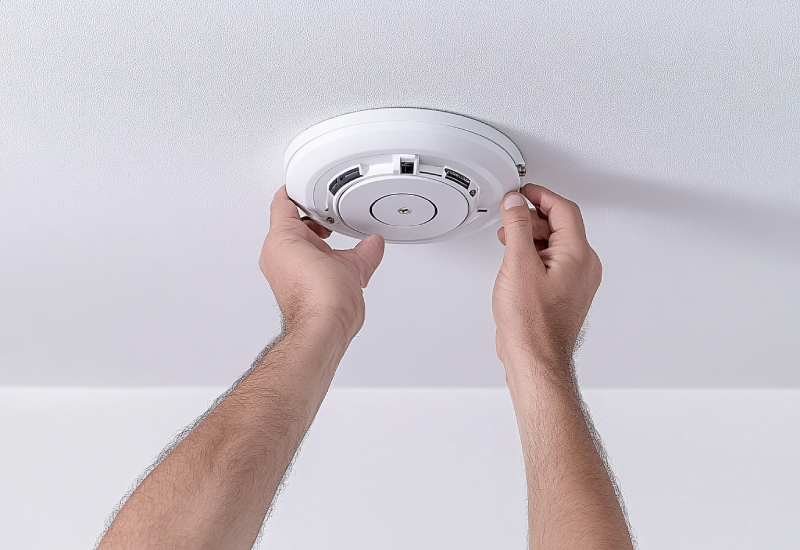
Most people only think about their smoke alarms when one starts beeping at 2am. But if you own or rent out a property in NSW, the law expects a fair bit more than that. After more than a decade of installing and certifying alarms across the Tweed and Northern Rivers, we’ve watched the rules around placement, alarm type, replacement timing and rental compliance tighten quite a bit. Getting it wrong can mean fines, voided insurance or worse.
Here’s a clear breakdown of what NSW smoke alarm compliance actually looks like in 2026, written for homeowners, landlords and anyone selling or buying a property along the Tweed coast.
The Core Rule: At Least One Working Alarm Per Storey
Under the Environmental Planning and Assessment Regulation, every NSW building where people sleep must have at least one working smoke alarm installed on each level. This came back on 1 May 2006 and still forms the baseline today. Alarms must meet Australian Standard AS 3786:2014, and ionisation-only units are no longer accepted for new installations because they respond too slowly to smouldering fires.
Failure to comply is an offence under NSW law. Fire and Rescue NSW recommends going well beyond the minimum, with alarms in every bedroom and connected hallway. From what we see on the ground, homes that meet only the bare baseline often have blind spots that a proper compliance check picks up straight away. If you’re not sure where your home sits, our residential electricians in Tweed Heads can walk you through it.
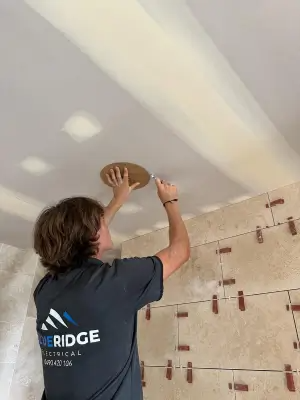
New Smoke Alarm Laws for Rental Properties
If you’re a landlord, the rules got a lot stricter from 23 March 2020 and have stayed that way. Here’s what you’re now responsible for:
- Testing every alarm annually and at the start of each new tenancy
- Replacing batteries before they expire, or as recommended by the manufacturer
- Replacing the alarm unit itself within 10 years of its manufacture date
- Repairing or replacing a faulty alarm within two business days of being notified
Tenants must let you know in writing when something stops working. They can change a removable battery themselves, but anything hardwired needs a licensed sparkie. If you don’t act within two business days, the tenant can legally arrange the repair and bill you back within seven days. For landlords juggling tight turnaround windows, having a trusted go-to for electrical repairs in Tweed Heads makes the two-day deadline far less stressful.
For strata properties, there are some exemptions if the owners corporation handles the alarms, but you still need to confirm that arrangement in writing with your tenant.
When Hardwired Alarms Are Required
Hardwired, interconnected alarms aren’t optional in every case. They’re legally required when:
- A home is newly built after 1 May 2006
- A property undergoes a substantial renovation requiring a development application
- An older home is being significantly upgraded with switchboard works
The benefit of interconnection is simple: when one alarm detects smoke, every alarm in the house sounds at once. In a two-storey home where everyone’s asleep upstairs, that can be the difference between a close call and a tragedy. If you’re planning a renovation or new build, the alarm circuits should be factored into your home wiring installation from the start rather than retrofitted later.
The 10-Year Replacement Rule
This one catches a lot of homeowners off guard. Smoke alarms have a working life of 10 years from their date of manufacture, not from when you installed them. After a decade, the sensor inside degrades from dust, humidity and component ageing, even if the alarm still beeps when tested.
Look on the back of each unit for the manufacture date. If there’s no date visible, assume it’s past its use-by and replace it. Most modern alarms now come with a non-removable 10-year lithium battery sealed inside, so the whole unit gets swapped at once.
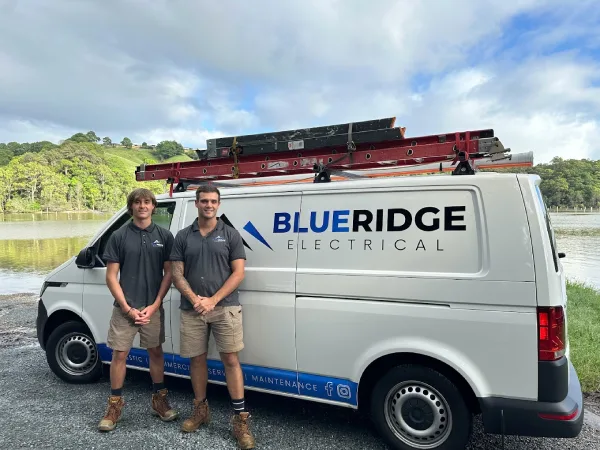
Smoke Alarm Certificate of Compliance for Property Sales
If you’re selling a property in NSW, you’ll need to provide a smoke alarm certificate of compliance to the buyer. This document confirms that:
- Alarms are correctly placed on every storey and near bedrooms
- All units meet AS 3786:2014
- No alarm is past its 10-year expiry
- The installation was done by a licensed installer
Buyers are entitled to have a licensed electrician inspect the property before settlement. If the alarms turn out to be non-compliant, the contract can’t be cancelled, but a price reduction can be negotiated. We’ve issued plenty of these certificates for clients across Tweed Heads, and sorting it out early always beats scrambling the week before settlement.
Common Mistakes That Trip Up Property Owners
A few patterns we see regularly on jobs across the Tweed and Northern Rivers:
- Alarms installed too close to bathrooms or kitchens, causing constant nuisance alarms
- Old ionisation alarms still in use long past their replacement date
- No alarm on the lower level of a split-level home, which still counts as a storey
- DIY installations that miss the bedroom-corridor requirement
A licensed electrician will spot these in minutes and put together a written compliance report you can keep with your property records.
Getting Compliant Without the Headache
Smoke alarm compliance isn’t complicated when you’ve got someone handling it for you. Whether you’re a homeowner wanting peace of mind, a landlord trying to meet your annual obligations or a property manager juggling multiple sites, the right setup protects your family, your tenants and your investment.
If you’ve got questions about your current alarms or you need a compliance check before settlement or a new tenancy, get in touch with Blue Ridge Electrical and we’ll sort it out for you.
Frequently Asked Questions
How much does a smoke alarm certificate of compliance cost in NSW?
It depends on the number of alarms and whether any need replacing. A standard single-storey Tweed Heads home sits at the lower end; multi-storey or older homes cost more. The certificate is included with the inspection, and we always quote upfront.
Can I install a smoke alarm myself in my NSW home?
Battery-only alarms, yes – as long as they meet AS 3786:2014 and are placed correctly. Hardwired or interconnected alarms must be installed by a licensed electrician. For rentals or property sales, licensed installation is the safer option.
What happens if my rental property fails a smoke alarm compliance check?
You can face penalties from NSW Fair Trading, and your landlord insurance may be voided if a fire occurs. If a tenant reports a faulty alarm and you don’t act within two business days, they can arrange the repair and bill you back.
How often should smoke alarms be tested in a NSW home?
Test every alarm monthly using the test button. Vacuum dust off every six months and change batteries yearly (unless sealed 10-year units). Landlords must test all alarms annually and at the start of every new tenancy.