

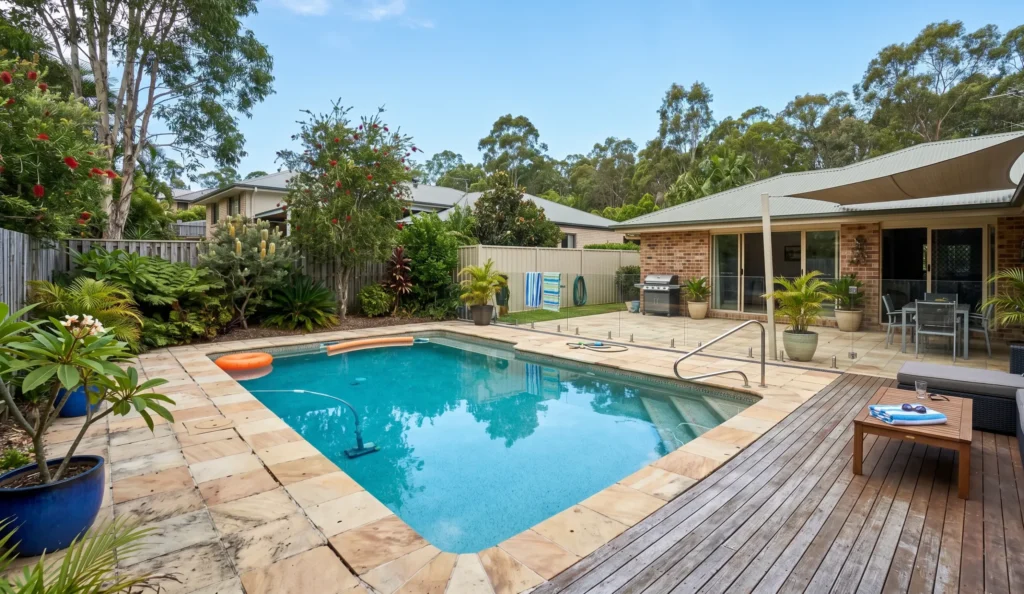
Living up here on the Tweed, a backyard pool or spa isn’t a luxury, it’s almost a given. But mixing water with electricity is one of the riskiest combinations in any home, and the rules around pool wiring are stricter than most owners realise. After years of working on pool and spa installations across Kingscliff, Casuarina and Banora Point, we can tell you the salt air, humidity and constant moisture wear down electrical components a lot faster than they would inland.
Here’s what every Tweed Heads pool owner needs to know about staying safe, staying compliant, and avoiding the kind of shock you really don’t want.
Only a Licensed Pool Electrician Can Do This Work
Pool and spa electrical work is classified as prescribed work in NSW. That means anyone installing, repairing or altering pool wiring, lights, pumps or bonding must hold a current electrical licence. DIY work isn’t just unsafe, it’s illegal, and it can void your home insurance the moment something goes wrong.
When you hire a swimming pool electrician, they’ll certify the work under AS/NZS 3000:2018 (the Wiring Rules) and issue documentation that stays with the property. Most pool builders use their own sparkie, but you’re well within your rights to bring in your own qualified residential electrician in Tweed Heads to handle the job.
Understanding the Pool Safety Zones
AS/NZS 3000:2018 defines restricted zones around every pool and spa, and these are non-negotiable.
- Zone 0 is inside the water itself. Only specially rated, extra-low-voltage equipment is allowed here.
- Zone 1 extends 2 metres from the water’s edge and 2.5 metres above. No switchboards, power points, switches or general light fittings are permitted in this space.
- Zone 2 extends a further 1.5 metres outwards. Only RCD-protected, IP-rated equipment can be installed.
If you’re building a new pool and there’s an aerial service cable, switchboard or power point already in Zone 1, it has to be relocated before the pool goes in. We’ve had to redesign a few jobs in Bilambil and Terranora where the existing meter box was sitting too close to a planned pool position. In those cases, our home wiring installation team rerouted the circuits to keep everything safely outside the restricted zones.
RCD Protection Is Mandatory
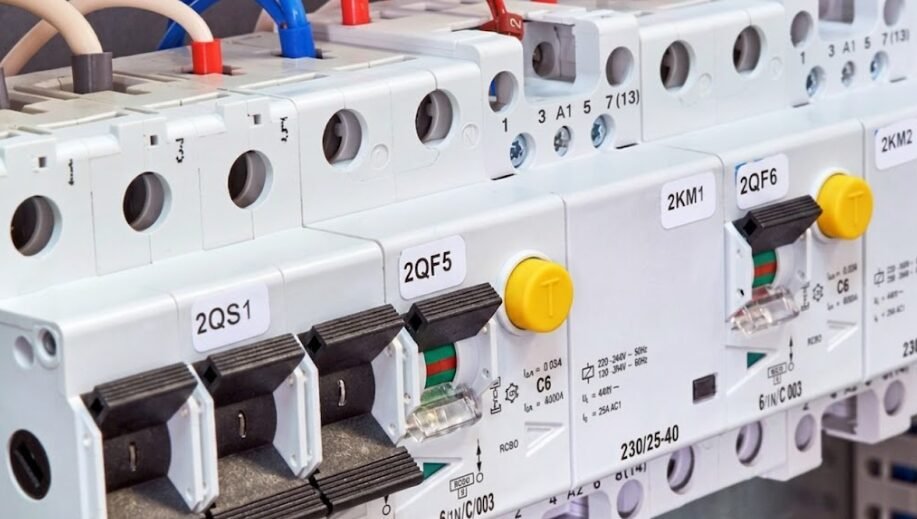
Every circuit supplying pool equipment must have RCD (safety switch) protection rated at 30 milliamps. That includes pumps, chlorinators, salt cells, heat pumps, pool lighting and any power outlets serving pool equipment. The RCD trips in milliseconds if it detects current leakage, cutting power before a fault can reach a person in or near the water.
Get your RCDs tested annually, particularly in coastal homes where salt corrosion attacks contacts and terminals faster than most owners expect. Our licensed electricians at Blue Ridge can run a full pool safety check at the same time as your annual electrical repairs and safety inspection.
Equipotential Bonding: The Bit Most People Miss
Any metal object greater than 100mm within arm’s reach of the pool must be electrically bonded back to an earthing system. That sounds technical, but in practice it means your pool fence, pool ladder, handrails, aluminium pergola, sun lounger frames and even some pool lights need to be physically connected by a continuous earth wire.
Bonding stops a stray voltage from one piece of metalwork from giving you a shock through another. Fibreglass pools with internal steel reinforcing also need bonding. Older Tweed pools built in the 80s and 90s often have failed or missing bonding, and it’s the first thing we check on any compliance inspection.
Pool Lights and Spa Wiring
Pool light electrician work has its own rules. Underwater lights must be either extra-low-voltage (12V) or specifically rated for immersion under AS/NZS 3000. Mains-voltage underwater lights from older installs are no longer compliant and should be replaced when they fail.
For spas, if your unit draws more than 15 amps it must be hardwired by a licensed spa electrician, not plugged into a regular GPO. A lot of newer spas also need their own dedicated circuit because their heaters and jets can pull serious load. We always tell clients to get their switchboard assessed before the spa arrives, not on delivery day, because it saves a return trip and a frustrated supplier.
When to Book an Inspection
These are the moments to get a pool electrician out:
- Before summer when you’re firing the pool back up
- After any storm damage or extended power outage
- When RCDs trip more than once for no obvious reason
- Before selling the property
- Every 12 months as standard maintenance
A small fault left alone can turn into a serious incident. Catching it early costs a fraction of what an emergency callout does.
Ready for a Pool Safety Check?
If you’re unsure about your pool wiring, lights or bonding, don’t guess. Get in touch with our licensed electricians in Tweed Heads and we’ll have one of our pool specialists out to inspect everything end to end.
Frequently Asked Questions
Can I install pool lights or wiring myself in NSW?
No. Pool and spa electrical work is classified as prescribed work in NSW and must be done by a licensed electrician. DIY pool wiring is illegal, unsafe, and will void your home insurance the moment something goes wrong.
How often should pool RCDs be tested in Tweed Heads?
RCDs protecting pool circuits should be tested at least once a year, and more often in coastal areas like Tweed Heads where salt air corrodes contacts faster. Annual testing alongside a full pool safety check is the safest schedule for any pool owner.
What is equipotential bonding and does my pool need it?
Yes. Any metal object over 100mm within arm’s reach of the pool, like fences, ladders, handrails or pergolas, must be bonded back to an earth wire. It stops stray voltage travelling between metal parts and giving you a shock in or near the water.
Can I plug my spa into a regular power point?
Only if it draws under 15 amps. Most modern spas pull more load through their heaters and jets, so they must be hardwired on a dedicated circuit by a licensed spa electrician. Always get your switchboard checked before the spa is delivered.