

One wrong move near live wires can shift a regular day into a dangerous situation in no time. That restless feeling you get when flickering lights or overloaded power points hint at something not right—yeah, we’ve seen it plenty.
We’ve had chats with homeowners who didn’t realise that gloves, dry hands, and switched-off circuits matter more than they imagined. Following proper electricity safety precautions is essential—because electricity doesn’t give second chances.
For locals in Tweed Heads juggling busy lives and growing families, electrical safety can’t be left to chance.
At Blue Ridge Electrical, we guide and protect with practical advice and professional service that’s easy to count on.
Safety Principles When Working with Electricity
Know the fundamentals of electricity safety
If you’re plugging in, rewiring, or flipping a breaker, it helps to know what electricity can really do. Understanding current flow, voltage ratings, and how equipment behaves keeps accidents at bay. Recognising the difference between a 240V and 12V device isn’t technical fuss – it’s smart thinking for safer choices. At Blue Ridge Electrical, we see too many home setups bypassing basic awareness, and that can go wrong fast.
Understand the consequences of unsafe practices
An electric shock isn’t just a stinging jolt – it can lead to burns, heart issues, or worse. We’ve replaced melted panels and fried switchboards simply because someone ignored the basics. Property damage from overloaded circuits or faulty appliances affects homes as much as health. What starts as a flicker could end as a fire. You don’t just risk injury – you threaten everything under that roof.
Follow the common rules and safety codes
Ignoring codes isn’t worth the risk or the fine. Follow your local Tweed Heads standards – they exist because someone paid a price once. We always stick to the Australian Electrical Safety Standards when we wire, repair, or install. Those rules aren’t optional – they’re the difference between a safe home and an unpredictable hazard.
Essential Personal Safety Measures
Wear the correct protective gear
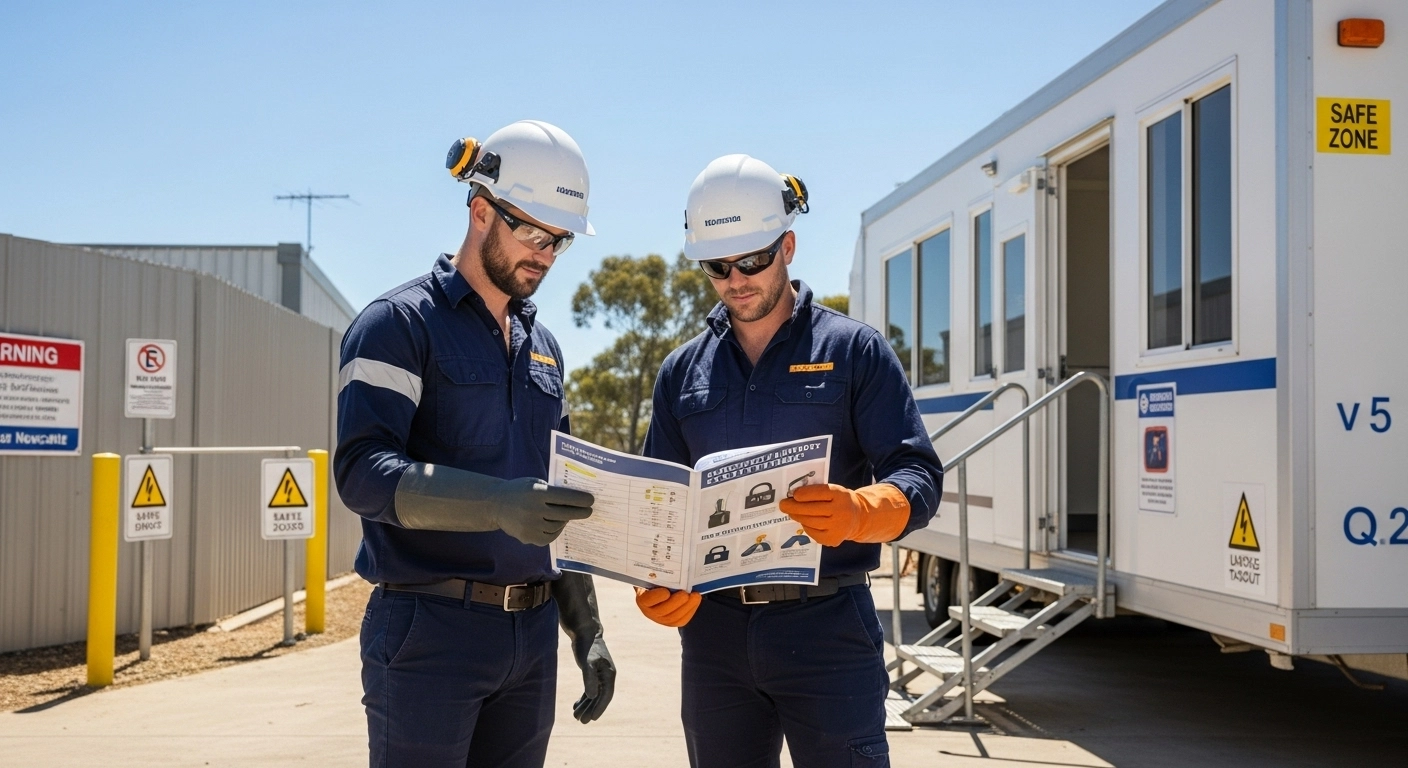
No electrician walks into a job barefoot or barehanded – neither should you. Insulated gloves, safety boots, and goggles guard against sudden faults or live contacts. Even in non-commercial homes, protective gear gives us that layer of safety when something unpredictable happens. Blue Ridge never skips this step – and that’s why our team gets home safe every time.
Get trained before handling tasks
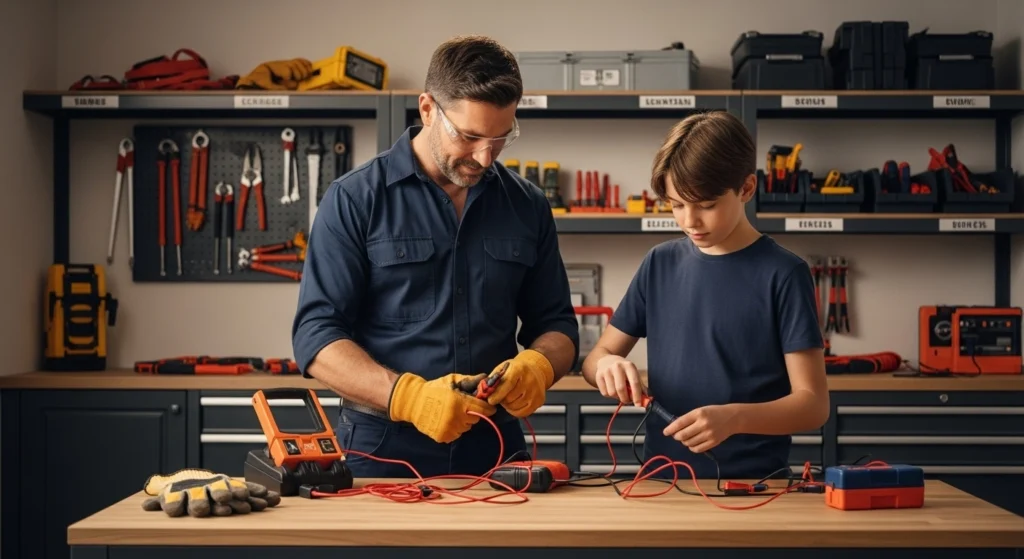
Reading a manual isn’t enough if you’ve never rewired a circuit. We train every electrician thoroughly to understand safety procedures before touching a wire. If you’re unsure, step back – it’s always better to learn or call someone who knows. Even minor tasks can carry major risk if done without the right know-how.
Use lockout/tagout procedures
A quick flick of the switch won’t cut it. We de-energise devices, lock out circuits, and tag systems to warn others before beginning repairs. Missing this step has left some folks with life-changing injuries. These procedures serve to protect us and everyone near that switchboard.
Safe Handling and Equipment Maintenance
Inspect tools and cords regularly
Frayed cords or cracked tools aren’t just annoying – they’re dangerous. We check everything from our voltage testers to extension leads before each job. A small tear in insulation can be enough to expose live electricity.
That’s why our regular equipment checks are baked into our habits – no excuses.
Operate only grounded or double-insulated tools
Double-insulated tools shield you, even if the wires inside go rogue. Grounded units provide a safe path for electricity to exit in the event of a fault. Using these tools reduces the risk of shock or shorts during extended use. At Blue Ridge, we trust only equipment that protects our hands and backs.
Keep devices and cords away from heat and moisture
There’s nothing safe about cords trailing under kettles or over wet patios. Heat weakens insulation fast, and water’s a known enemy of safe electricity. We’ve seen appliances short or spark simply from high humidity or puddled rainwater. Store devices dry, run cords tidily, and your gear lasts longer while staying safer.
Safe Work Environments and Setup
De-energise circuits before starting work
Touching a live wire is never worth the dare. We always verify zero current with testers before starting. Turning the switch off isn’t always enough – circuits must be fully isolated.
The quick beep of a tester could mean the difference between calm and chaos.
Maintain safe distances from live wires
Lean too close to a live wire and you risk an arc flash across your body.
We use insulated tools and watch our surroundings in any live area.
Even non-contact tools can jump current if conditions are wrong.
Distance gives us time and safety to react.
Clearly label and secure electrical panels
We’ve seen homes where switchboards had scribbles or none at all – frustrating and risky during emergencies.
A well-labelled panel keeps things clear for anyone needing access.
We secure every panel cover so no one accidentally gets too close.
Safety starts with clear markings and ends with a locked cabinet.
Appliance and Tool Usage Practices
Use appliances per the manufacturer’s instructions
We’ve lost track of how many appliances we’ve found misused or overloaded. Ignoring labels or pushing devices past limits causes heat build-up and faults. Manufacturers set those guides for a reason – stick to them and gear works well. Shortcuts often turn into sparks.
Avoid daisy-chaining power boards
Stacking boards on other boards isn’t clever – it overloads outlets fast. We’ve replaced scorched outlets that got pushed too hard this way. Use extension cords rated for your setup and never exceed load guidelines.
If you need more outlets, get additional circuits installed properly.
Disconnect appliances after use
Leaving gear plugged in invites trouble – from kids fiddling, to sudden surges. Unplugging reduces risk and even cuts unnecessary power draw. It also lets your appliance cool naturally and prevents faulty switch-on during outages. This simple habit saves money and worry.
Emergency Preparedness and Response
Know how to shut off power
Everyone in your home or team should know where the breaker is and how to use it. In emergencies, seconds matter. Teach kids and adults alike how to safely shut off power if needed. We make sure every client knows how to cut the supply before we leave.
Learn first aid for electrical incidents
Burns and unconsciousness require fast action, not panic. Basic CPR and burn treatment knowledge gives you a better shot at helping. We encourage all clients to have a first aid kit and know how to use it. Being prepared saves lives before the ambulance arrives.
Report and fix faults immediately
That buzzing outlet or flickering light won’t fix itself. Ignoring faults gives risk time to grow. We respond quickly with licensed electricians who know how to sort it safely. Faults reported promptly are always easier – and cheaper – to repair.
Additional Context-Based Safety Practices
Ensure backyard and outdoor outlets are weatherproof
Outdoor outlets must handle rain, spray, and dirt. We automate GFCI outlets and install weather-rated covers – especially near pools or BBQ areas. Never run interior plugs outside – they’re not made for that. A little sealing today avoids shocks tomorrow.
Use insulated ladders during electrical work
We always grab fibreglass or non-conductive ladders when accessing overhead wires. Metal attracts current – one slip or contact can travel straight through. Insulated ladders give you a safer posture and peace of mind in tricky spots. Especially on construction sites or around steel framing, they’re a must.
Keep children and pets away from cords and sockets
Kids love to explore, and pets love to chew. We always recommend socket guards and tidy cabling in family homes. It’s a simple way to stop curious fingers from poking into danger zones. Keep their path clear and your cords secured.
Frequently Asked Questions
What should I do during a power outage?
Start by switching off sensitive appliances to avoid damage when power returns.
Use LED torches instead of candles to prevent fire risk.
Are extension cords safe for long-term use?
Extension cords are for temporary setups.
For long-term use, have a new outlet installed or upgrade your system.
Why is insulation crucial in electrical safety?
Insulation prevents your body from meeting live current.
It also keeps your tools and wires contained and reliable.
How should I respond to an electrical fire?
Never throw water on it.
Use a Class C extinguisher and turn off the power if it’s safe.
Electricity Doesn’t Give Second Chances - Stay Ahead, Stay Safe
One mistake can change everything. That’s why knowing how to work around electricity safely isn’t optional – it’s life-saving. Following proper electricity safety precautions is like having a trusted guide in unfamiliar territory. It brings calm, confidence, and control no matter how tricky the task.
At Blue Ridge Electrical, we take safety as seriously as you do. Let us help protect what matters most. Get in touch today for safe, expert electrical work.
