
You plug in your kettle and see a small flash from the power point. Your heart skips a beat. Is that normal, or is your home at risk?
If you’ve noticed sparks when plugging in appliances around your Tweed Heads home, you’re not alone. It’s one of the most common electrical concerns we hear from homeowners in Northern Rivers. The good news? Not all sparks are dangerous. The challenging part? Knowing the difference between a harmless flash and a serious safety hazard.
Let’s break down exactly what causes power points to spark, when you should worry, and when it’s time to call a licensed electrician.
The Normal Spark: What’s Actually Happening?
Here’s something that might surprise you: a tiny, quick spark when plugging in an appliance can actually be normal.
When you insert a plug into a power point, there’s a brief moment where electricity jumps across a small gap between the plug pins and the socket contacts. This creates what electricians call an “arc” or a quick spark. In most cases, this happens because the appliance starts drawing power the instant contact is made.
This type of spark is typically:
- Very small and blue in colour
- Silent or nearly silent
- Happens only once when making contact
- Most common with high-draw appliances like kettles, heaters, or vacuum cleaners
If you see this kind of spark occasionally and there are no other warning signs, it’s generally not cause for concern.
When Sparking Becomes Dangerous
While occasional tiny sparks might be normal, repeated or aggressive sparking is a completely different story. In our years servicing Tweed Heads homes, we’ve found that persistent sparking often signals worn contacts or loose wiring that’s been deteriorating over time. Here’s what separates harmless from hazardous:
Warning Signs of Dangerous Sparking:
- Sparks happen every time you plug something in
- Large, bright sparks with a popping sound
- Burning smell coming from the outlet
- The power point feels warm or hot to touch
- Crackling or buzzing sounds from the wall
- Black marks or discolouration around the outlet
- The plug feels loose or wobbly in the socket
Any of these signs indicate an electrical fault that needs immediate attention from a qualified electrician.
Common Causes of Power Point Sparking
1. Loose Connections
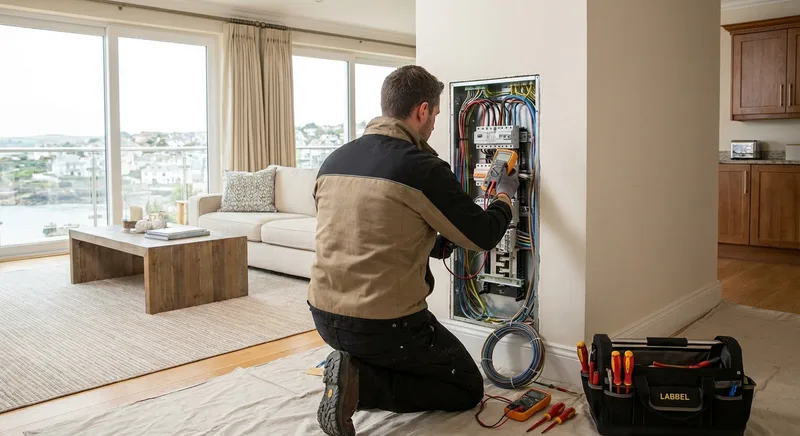
Over time, the metal contacts inside your power point can wear down and lose tension. This is especially common in older Tweed Heads homes. Loose contacts create gaps where electricity arcs, generating heat and repeated sparking.
2. Worn or Damaged Outlets
Power points don’t last forever. Years of plugging and unplugging appliances can wear down the internal components. When contacts become worn, they no longer grip plugs firmly, leading to arcing and sparking.
3. Overloaded Circuits
Running too many high-power appliances on the same circuit puts strain on your electrical system. This is particularly common in kitchens where you might be running a kettle, toaster, and air fryer simultaneously. The excessive load can cause sparking at the power point.
4. Moisture Exposure
In humid climates like Tweed Heads, moisture can enter power points, especially outdoor outlets or those near bathrooms and laundries. Water and electricity create a dangerous combination that often results in sparking, and potentially, safety switch trips.
5. Faulty Wiring Behind the Wall
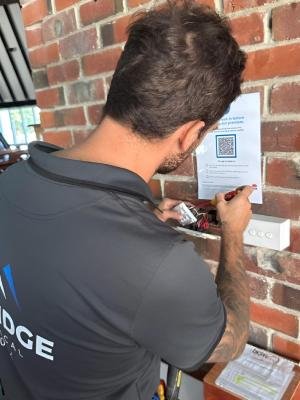
Sometimes the issue isn’t the power point itself but the wiring connections behind it. Loose terminal screws, degraded insulation, or incorrect wiring can all cause internal sparking that you might see at the outlet.
What You Should Do Immediately
If you notice sparking from a power point, here’s your action plan:
Step 1: Stop using the affected outlet immediately. Don’t test it repeatedly or plug anything else in.
Step 2: Check if the problem is isolated to one appliance. If sparking only happens with a specific device, the issue might be with that appliance’s plug or cord.
Step 3: Look for other warning signs like burning smells, warmth, or discolouration around the outlet.
Step 4: If you notice any of these danger signs, turn off power to that circuit at your switchboard if it’s safe to do so.
Step 5: Contact a licensed electrician for inspection and repair.
Why DIY Fixes Are Dangerous
It might be tempting to simply replace the power point yourself or ignore occasional sparking, but electrical work carries serious risks:
- Risk of electric shock or electrocution
- Potential for electrical fires
- Damage to your home’s wiring system
- Insurance complications if unauthorised work causes damage
- Non-compliance with Australian electrical safety standards, which require all power point work to be completed by licensed professionals
In Australia, all electrical work must be performed by a licensed electrician. It’s not just about safety, it’s the law.
Protecting Your Tweed Heads Home
Regular electrical maintenance can help prevent power point issues before they become dangerous. At Blue Ridge Electrical, we recommend:
- Inspecting power points every few years for wear and damage
- Replacing older outlets in homes over 20 years old
- Installing safety switches if your home doesn’t already have them
- Avoiding overuse of power boards and extension cords
- Upgrading circuits that frequently trip or show signs of strain
When to Call an Emergency Electrician
Some situations require immediate professional attention, and we’ve responded to many late-night calls where homeowners noticed these warning signs. Contact an emergency electrician right away if you experience:
- Repeated sparking with a burning smell
- Power points that feel hot to touch
- Multiple outlets sparking in the same area
- Sparking accompanied by smoke
- Safety switches that keep tripping
These symptoms can indicate serious wiring faults that pose fire risks.
Keep Your Family Safe with Professional Electrical Care
While a tiny spark might be normal, it’s always better to be safe than sorry when it comes to your home’s electrical system. If you’re experiencing sparking power points around your Tweed Heads home, the experienced team at Blue Ridge Electrical is here to help.
Our licensed electricians provide thorough inspections, safe repairs, and professional power point replacements to keep your home safe and your electrical system running reliably. With affordable fixed pricing and reliable emergency service, we’re your trusted local electrical experts throughout the Northern Rivers.
Don’t wait until a small spark becomes a big problem. Contact Blue Ridge Electrical today for a professional electrical inspection and enjoy the peace of mind that comes with a safe, properly functioning electrical system.