Congratulations on becoming a homeowner in beautiful Tweed Heads! Whether you’ve just picked up the keys to your first home or you’re settling into a new property, ensuring your electrical system is safe and compliant should be at the top of your priority list.
As a new homeowner in NSW, understanding your home’s electrical safety requirements isn’t just about ticking boxes. It’s about protecting your family, your investment, and ensuring peace of mind for years to come. This comprehensive electrical safety checklist will walk you through everything you need to know about home electrical safety in Tweed Heads.
As licensed electricians who regularly inspect homes across Tweed Heads, Banora Point, and the wider Northern Rivers region, we’ve seen firsthand how small electrical issues can turn into serious safety risks if left unchecked. This checklist is based on real inspections carried out in local homes, not generic advice.
Why Electrical Safety Matters for New Homeowners
Electrical faults are one of the leading causes of house fires in Australia. Many older homes in the Tweed Heads area may have outdated wiring systems that don’t meet current safety standards. Even relatively new homes can have hidden electrical issues that weren’t picked up during the initial inspection.
The good news? A thorough electrical safety check can identify potential hazards before they become dangerous or costly problems. Let’s walk through your essential checklist.
1. Book a Professional Electrical Inspection
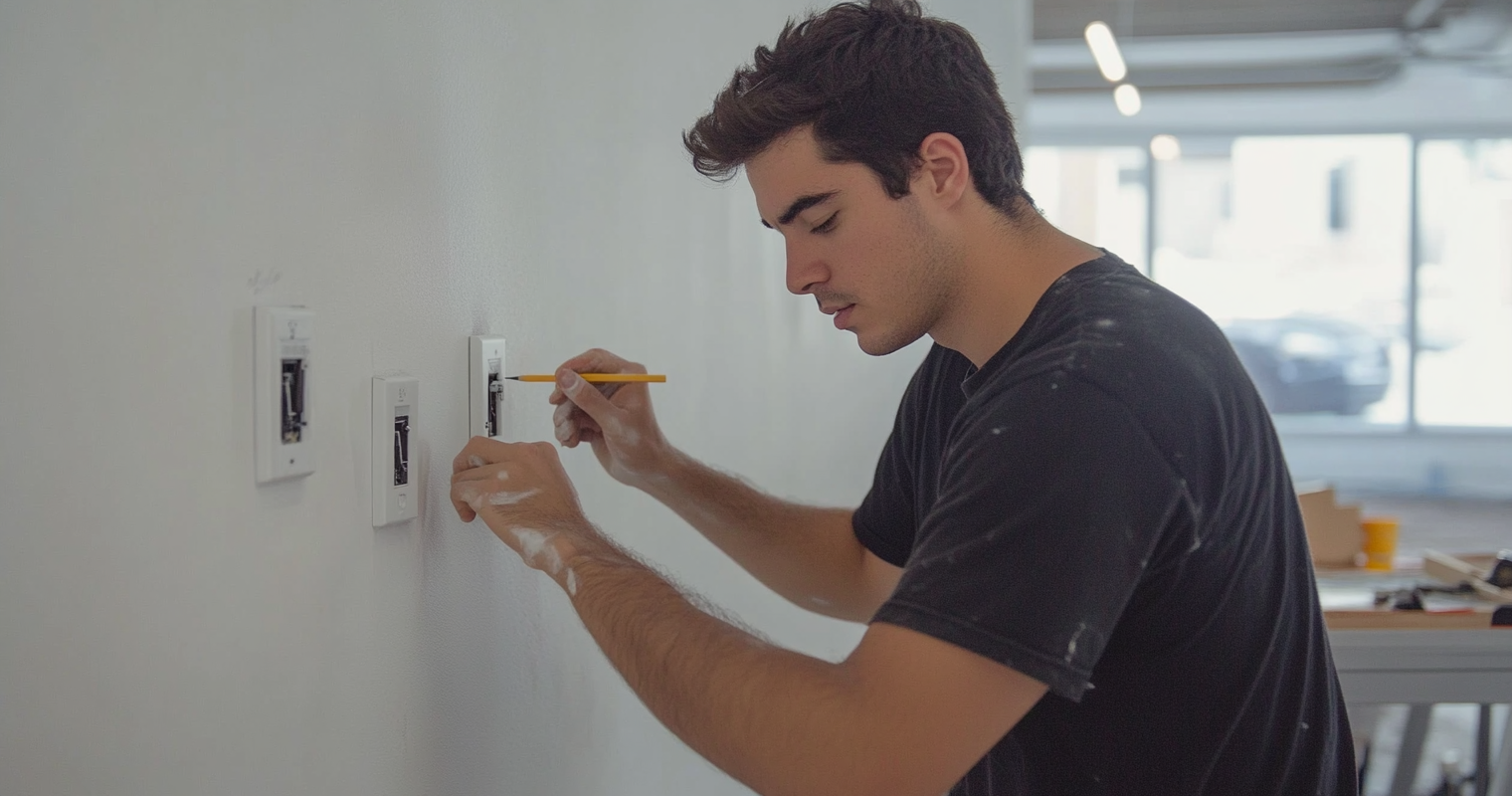
Before you settle into your new Tweed Heads home, the first step should be scheduling a comprehensive electrical inspection with a licensed electrician. This isn’t just a recommendation – it’s your safety net.
A qualified electrician will examine your entire electrical system from the switchboard to every power point, light fitting, and appliance connection. They’ll check for outdated wiring, overloaded circuits, and any installations that don’t comply with current Australian standards (AS/NZS 3000).
This is particularly important if your home is over 20 years old, has had DIY electrical work done, or if you’re planning to install high-demand appliances like air conditioning or an electric hot water system.
2. Check Your Switchboard and Safety Switches
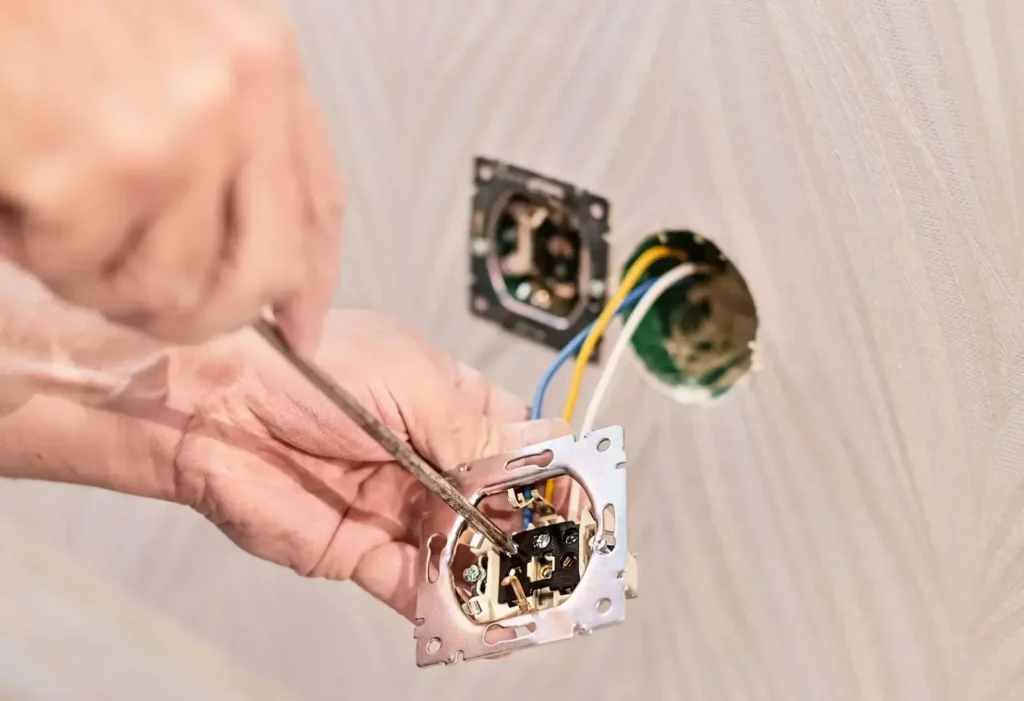
Your switchboard is the heart of your home’s electrical system. Take a moment to locate it and inspect its condition. If you see old ceramic fuses or a switchboard that looks like it’s from the 1980s, it’s definitely time for an upgrade.
Modern switchboards should include safety switches (also called residual current devices or RCDs). These life-saving devices are mandatory in NSW and detect electrical faults within milliseconds, cutting power before anyone can be seriously injured.
According to NSW regulations, safety switches must be installed on all power point circuits and lighting circuits. Test your safety switches every three months using the built-in test button. If they don’t trip immediately, contact a licensed electrician straight away.
Licensed electricians in NSW are required to follow SafeWork NSW guidelines and AS/NZS 3000 standards, and any non-compliant installations must legally be rectified by a qualified professional, not a homeowner.
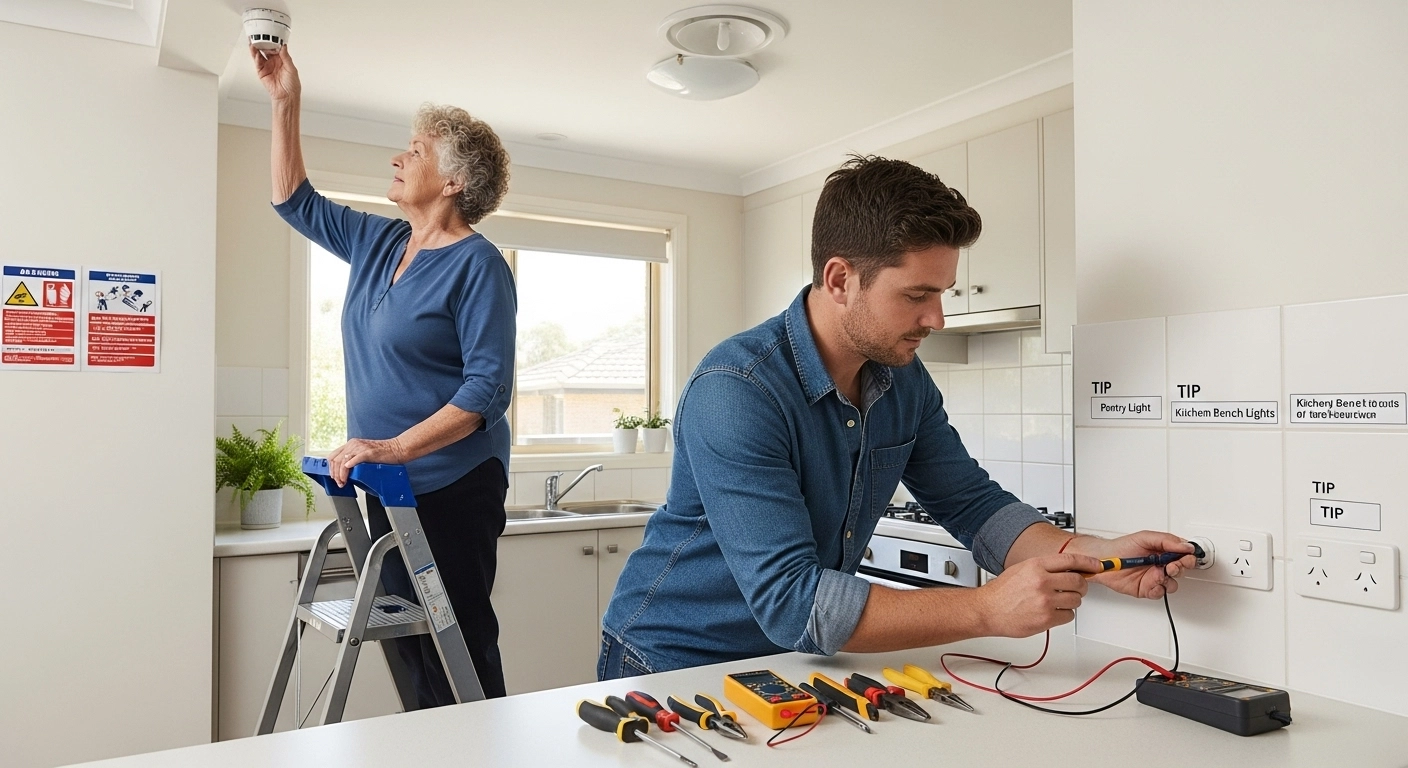
3. Verify Smoke Alarm Compliance
Every level of your NSW home must have working smoke alarms. This isn’t negotiable – it’s the law. Smoke alarms should be photoelectric, hardwired with battery backup, and comply with Australian Standard AS 3786:2014.
Test your smoke alarms monthly by pressing the test button. Replace batteries annually (if they’re not 10-year sealed units), and replace the entire alarm every 10 years. Many Tweed Heads homes have outdated smoke alarms that may not provide adequate protection.
If you’re unsure about your smoke alarm setup, Blue Ridge Electrical can assess your current system and ensure it meets all NSW compliance requirements.
4. Inspect Your Home’s Wiring

While you can’t see most of your home’s wiring, there are some tell-tale signs that your electrical wiring might need attention. Look for discoloured power points or light switches, which often indicate overheating. Check for any visible cables with cracked, frayed, or damaged insulation.
If your lights flicker frequently, circuit breakers trip regularly, or you notice a burning smell near outlets, these are red flags that require immediate professional attention. Older homes may still have outdated wiring materials that pose fire risks and should be replaced.
If your home was built before the early 1990s, ask your electrician specifically whether the property contains old rubber or VIR cabling, as these materials degrade over time and are no longer considered safe under current standards.
5. Test All Power Points and Light Fittings
Walk through your entire home and test every power point and light switch. Plug a small appliance into each outlet to ensure they’re working properly. Loose connections, buzzing sounds, or outlets that feel warm to the touch should be investigated by a professional.
Pay special attention to power points in wet areas like bathrooms, kitchens, and laundry rooms. These should be protected by safety switches and installed at safe distances from water sources.
6. Check Outdoor Electrical Systems
Don’t forget about your outdoor electrical installations. Check that all outdoor power points have weatherproof covers. If you have garden lighting, pool pumps, or outdoor entertainment areas, ensure all connections are safe and compliant.
Overhead power lines to your property should be inspected for sagging or damage. Trees growing too close to power lines are a serious safety hazard and should be trimmed by professionals.
7. Plan for Future Electrical Needs
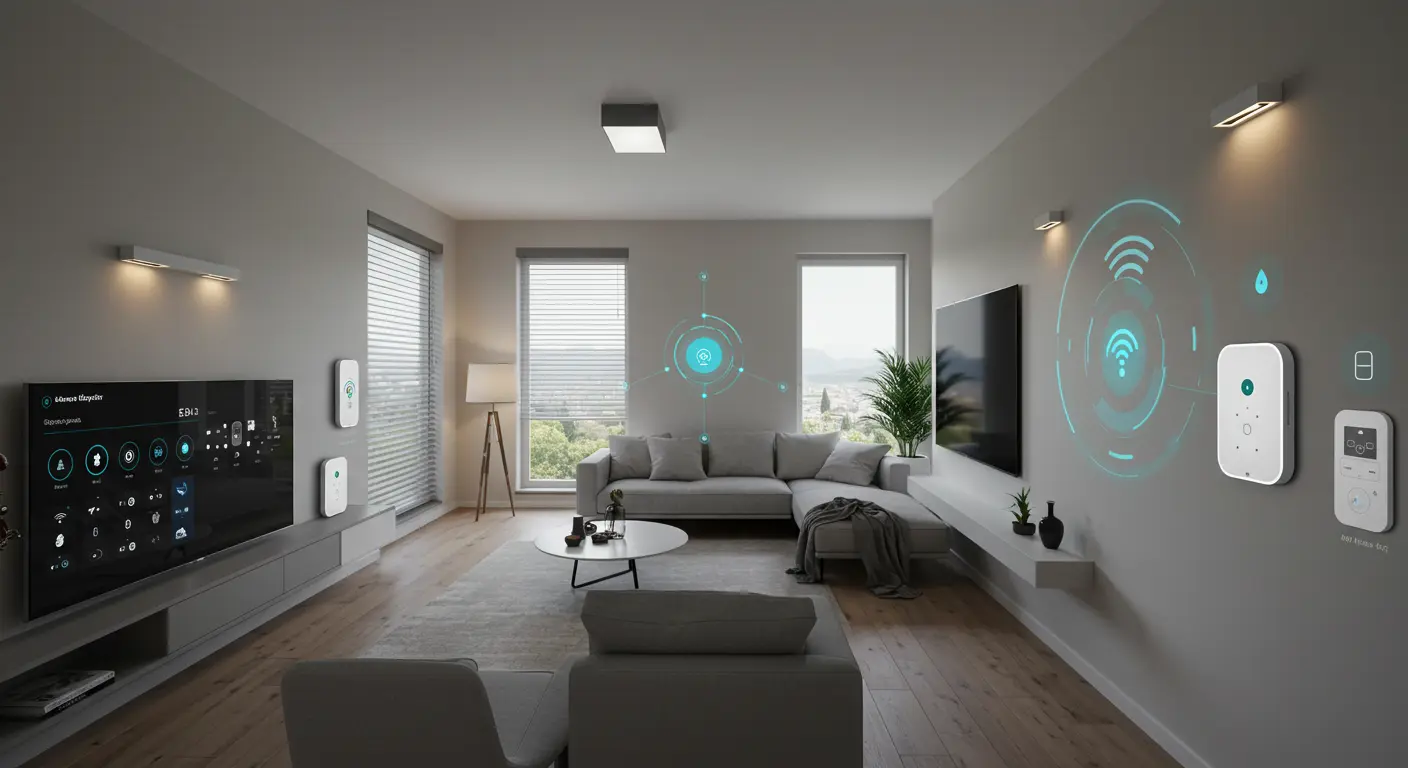
As a new homeowner, you might be planning renovations or upgrades. Are you considering installing air conditioning, solar panels, or an electric vehicle charger? These additions require proper electrical capacity and may need a switchboard upgrade.
It’s much more cost-effective to assess your electrical system’s capacity now rather than during an urgent upgrade situation. A load assessment can determine whether your current system can handle additional demands or if preventative upgrades are needed.
8. Know Your Emergency Procedures
Make sure every adult in your household knows where the main switchboard is located and how to shut off power in an emergency. Label all circuits clearly, especially for major appliances, air conditioning, and hot water systems.
Keep the contact details of a reliable emergency electrician handy. Blue Ridge Electrical offers 24/7 emergency electrical services throughout Tweed Heads, so you’re never left in the dark when electrical issues arise.
Common Electrical Hazards in Tweed Heads Homes
Living in the Tweed Heads area brings unique considerations. Our coastal environment means homes are exposed to salt air, which can corrode electrical fittings faster than inland properties. High humidity can also affect electrical connections, making regular inspections even more important.
Older Tweed Heads homes may have electrical systems designed for lower power demands than modern households require. With today’s array of appliances, entertainment systems, and climate control needs, many older electrical systems are working beyond their capacity.
Your Electrical Safety Checklist Summary
To make things simple, here’s your quick-reference electrical safety checklist for new homeowners in Tweed Heads:
✓ Schedule a professional electrical inspection
✓ Check switchboard condition and age
✓ Test all safety switches quarterly
✓ Verify smoke alarm compliance and functionality
✓ Inspect visible wiring for damage
✓ Test all power points and light fittings
✓ Check outdoor electrical installations
✓ Assess electrical capacity for future needs
✓ Identify main shut-off switches
✓ Keep emergency electrician contacts handy
Get Professional Help from Local Tweed Heads Electricians
At Blue Ridge Electrical, we understand that as a new homeowner, electrical safety might feel overwhelming. That’s why our family-owned business is here to guide you through every step.
Our licensed electricians serve Tweed Heads, Northern Rivers NSW, and Gold Coast QLD with reliable, high-quality electrical services. We specialise in residential electrical work, from comprehensive safety inspections to switchboard upgrades and complete home rewiring.
We believe in keeping things simple and providing old-fashioned service where you’re not just a number. When you become our client, you automatically join our valued customer network and the Blue Ridge Electrical family.
Ready to ensure your new home is electrically safe? Blue Ridge Electrical is fully licensed, insured, and compliant with NSW Fair Trading requirements. All work is carried out by qualified electricians, and certificates of compliance are issued where required by law, giving homeowners documented proof of safety and workmanship.
Don’t wait for an electrical emergency to discover problems with your home’s wiring. A small investment in electrical safety today can prevent costly repairs and dangerous situations tomorrow.
Call Blue Ridge Electrical now for your free, no-obligation quote and experience the peace of mind that comes with knowing your Tweed Heads home is electrically safe for your family.
